Basque Style Cheesecake Recipe
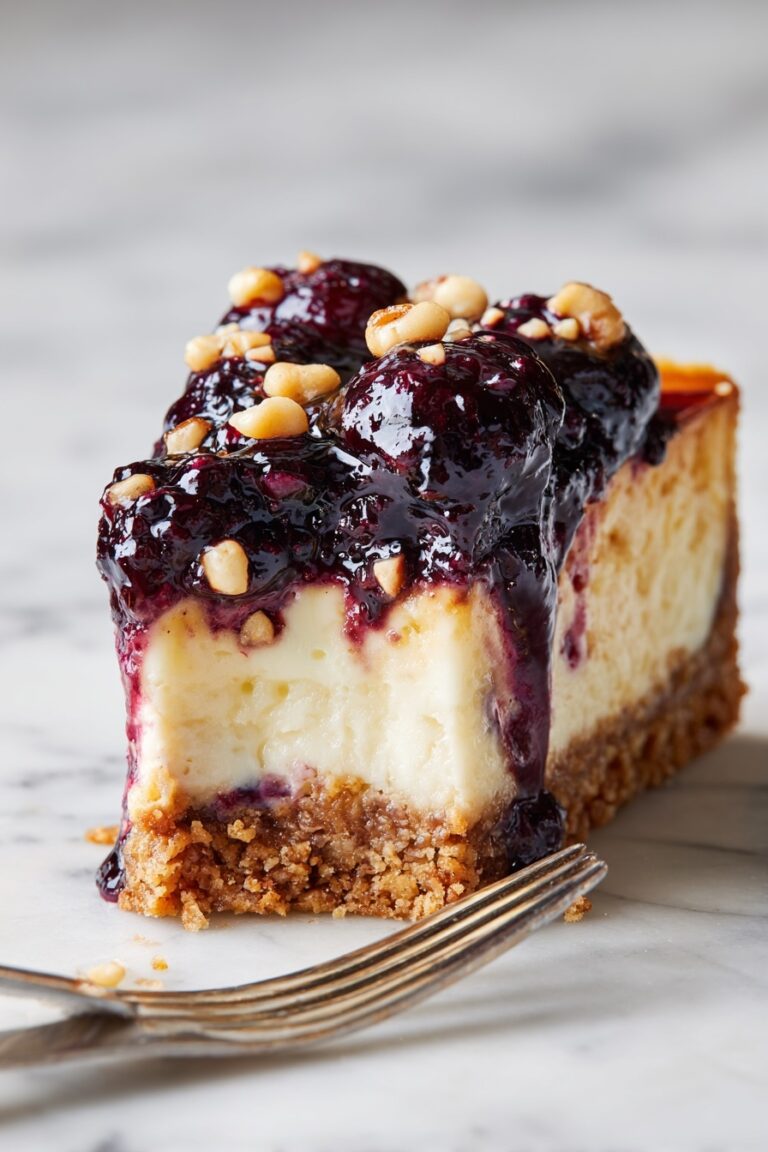
If you’re anything like me, once you try my Basque Style Cheesecake Recipe, you’ll be hooked! This cheesecake is delightfully creamy with that signature caramelized top that makes every bite feel like a little slice of heaven. It’s rustic, impressive, and surprisingly easy to make—perfect for those times you want to wow guests or just treat yourself to something special without fuss. Stick around and I’ll share everything you need to make this fan-freaking-tastic dessert come out perfect every time.
Why This Recipe Works
- Simple Ingredients, Bold Flavor: Using just cream cheese, sugar, eggs, and cream means the rich taste shines through without any distractions.
- High Oven Temperature: Baking at 425°F caramelizes the top beautifully, creating that iconic burnt crust.
- Minimal Mixing: Gentle handling prevents air bubbles and keeps the texture silky and creamy—not souffle-like.
- Rustic & forgiving: The imperfect, slightly cracked look adds charm and makes it beginner-friendly.

Ingredients & Why They Work
Each ingredient in this Basque Style Cheesecake Recipe plays a key role in creating its unique texture and flavor. Choosing quality dairy and handling the ingredients with care really makes a difference.

- Cream Cheese: Full-fat and room temperature cream cheese blends smoothly for that rich, creamy base.
- Granulated Sugar: Sweetens without overpowering; adjust to suit your taste.
- Eggs: Room temperature, added one at a time, create structure and silkiness.
- Heavy Cream: Adds luscious creaminess; if you can find farm fresh double cream, even better!
- Vanilla Extract: Enhances the subtle flavors with a hint of warmth.
- Salt: Balances the sweetness and intensifies flavor.
- All-Purpose Flour: Just a bit to help stabilize without making it cakey.
Tweak to Your Taste
I love how flexible this Basque Style Cheesecake Recipe is—you can easily dial up or down the sweetness or add little twists for a flavor adventure. The beauty is in how it lets you make it your own.
- Less Sweet: I often reduce the sugar to 1¼ cups when I want a less sugary finish, and it’s still wonderfully balanced.
- More Vanilla: If you’re a vanilla fan like me, bumping up the vanilla extract to 1½ tablespoons adds a gorgeous aromatic touch.
- Fruit Compote: Serving with a tart berry compote cuts through the richness perfectly—always a winner with guests!
- Gluten-Free Option: Swap all-purpose flour for a gluten-free blend if you need a GF version; works great without changing texture.
Step-by-Step: How I Make Basque Style Cheesecake Recipe
Step 1: Prep Your Pan and Oven
First things first—preheat your oven to 425°F. Line a 9 or 10-inch springform pan with parchment paper, layering it crosswise so it extends about 2 inches above the rim. Here’s a trick: wet the paper, scrunch it up, then smooth it out; this makes it easier to shape and keeps it from sliding around. Set it aside while you mix.
Step 2: Beat the Cream Cheese
Use full-fat cream cheese, at room temperature, so it blends effortlessly. Whip it on medium speed for about 2 minutes until smooth—no lumps. I always scrape down the bowl a couple of times to be sure.
Step 3: Add Sugar and Eggs Slowly
Add your granulated sugar and mix until fully smooth, about 2 minutes. Then, reduce speed to low and add eggs one at a time, only moving on when the previous egg is just combined—this prevents overmixing and keeps your texture perfect.
Step 4: Incorporate Cream, Vanilla, Salt, and Flour
On low speed, pour in the heavy cream, vanilla extract, and salt, mixing until everything’s combined. Sift in the flour and blend gently for about 20 seconds. This step stabilizes the cheesecake without turning it cakey—remember, slow mixing is key!
Step 5: Bake to Golden Perfection
Pour your smooth batter into the lined pan, place it on a rimmed baking sheet (to catch any drips), and bake in the center rack for 50 to 65 minutes. You’ll see the cheesecake puff up with a dark golden-brown top—don’t worry when it sinks after cooling; that’s exactly how it should look. The center should still jiggle a bit when done.
Step 6: Cool and Chill
Transfer your cheesecake, still in the pan, to a wire rack and let it cool to room temperature. Then pop it in the fridge for at least 8 hours or, ideally, overnight. This chilling step sets the center beautifully and deepens the flavors. Remove from fridge an hour or two before serving to let it warm slightly—it tastes best at room temperature!
Pro Tips for Making Basque Style Cheesecake Recipe
- Use Room Temperature Ingredients: Cream cheese, eggs, and heavy cream blend much more smoothly and prevent lumps when warmed to room temp.
- Avoid Overmixing: Mix slowly and stop as soon as ingredients are combined to prevent air bubbles and keep the silky texture.
- Don’t Skip the Parchment Tips: Scrunching the parchment helps it mold into the pan easily and creates the dramatic crust edges, key to the Basque look.
- Wait to Slice: Using a hot, wet knife for slicing gives you those perfectly clean cheesecake slices that look as good as they taste.
How to Serve Basque Style Cheesecake Recipe

Garnishes
I almost always keep it simple and serve this cheesecake plain to showcase that luscious caramelized top and creamy inside. But if you want to dress it up, I love fresh berries or a homemade berry compote—the tartness cuts through the richness beautifully. Sometimes a drizzle of honey or a sprinkle of sea salt makes it extra special.
Side Dishes
A cup of strong coffee or a smooth espresso pairs wonderfully with this Basque Style Cheesecake Recipe. For gatherings, I like serving it alongside fresh fruit salad or a light citrus sorbet to balance the creamy texture.
Creative Ways to Present
For special occasions, I’ve wrapped individual slices in parchment for a rustic look or plated with edible flowers and a dusting of powdered sugar. Layering slices with dollops of whipped cream and fresh mint can also make your table pop—great for celebrations or dinner parties.
Make Ahead and Storage
Storing Leftovers
I store leftover Basque cheesecake in the springform pan, tightly covered with plastic wrap or foil, right in the refrigerator. It keeps well for up to one week. Just remember to bring slices to room temperature before serving to enjoy that perfect creamy texture.
Freezing
I’ve also successfully frozen this cheesecake! After it’s completely cooled and chilled, I wrap it tightly in plastic wrap, then in aluminum foil to prevent freezer burn. It’s best enjoyed within 3 months; just thaw overnight in the fridge before serving.
Reheating
For the best taste, I suggest thawing in the fridge and then letting the cheesecake rest at room temperature for an hour or so before serving. If you want it just a touch warmer, a quick 5-minute stint in a 300°F oven does wonders without drying it out.
FAQs
-
What makes Basque Style Cheesecake different from regular cheesecake?
Basque cheesecake is baked at a higher temperature to achieve a characteristic burnt and caramelized top, which adds a bittersweet depth of flavor. It’s also crustless, with a creamy yet slightly custardy center, and often has a rustic, imperfect look that sets it apart from traditional cheesecakes.
-
Can I use low-fat cream cheese or non-dairy substitutes?
For the best creaminess and texture, full-fat cream cheese is highly recommended. Low-fat or non-dairy substitutes tend to alter the richness and can affect the cheesecake’s structure, so they’re not ideal for this recipe.
-
Why does the cheesecake sink after baking?
This is completely normal for Basque Style Cheesecake. The batter puffs up in the oven, but as it cools, it naturally deflates to yield a creamy, soft interior. The “sunken” look is characteristic and part of its charm.
-
How do I prevent cracks on top of the cheesecake?
Since this cheesecake is purposely rustic, cracks are expected and add to the texture’s uniqueness. However, avoiding overmixing and ensuring you don’t overbake can minimize excessive cracking.
-
Can I make this cheesecake ahead of time?
Absolutely! This cheesecake actually tastes better after chilling overnight. You can also freeze leftovers for up to three months, making it a great make-ahead dessert.
Final Thoughts
This Basque Style Cheesecake Recipe holds a special place in my dessert arsenal—it’s my go-to when I want something comforting yet show-stopping. Its rustic charm, creamy center, and that unforgettable burnt top make it a crowd-pleaser every single time. I’m confident that once you try making it yourself, you’ll appreciate just how straightforward and rewarding it is. So, go ahead—give it a whirl in your kitchen, and enjoy every delicious bite!
Print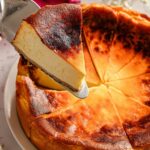
Basque Style Cheesecake Recipe
- Prep Time: 15 minutes
- Cook Time: 1 hour
- Total Time: 11 hours 15 minutes
- Yield: 12 servings
- Category: Dessert
- Method: Baking
- Cuisine: Spanish
- Diet: Vegetarian
Description
This Basque Cheesecake recipe delivers a rich, creamy, and perfectly caramelized crust cheesecake with a rustic, imperfect appearance that is impressively delicious and perfect for any party or special occasion. It’s made with full-fat cream cheese, heavy cream, and just the right balance of sugar, eggs, and flour, baked to golden perfection with a silky, creamy texture.
Ingredients
Main Ingredients
- 32 ounces cream cheese, room temperature and full-fat only
- 1½ cups granulated sugar (300g)
- 5 large eggs, room temperature
- 1½ cups heavy cream (360mL), room temperature
- 1 tablespoon vanilla extract
- 1 teaspoon salt
- ⅓ cup all-purpose flour, sifted
Instructions
- Prepare pan: Preheat the oven to 425°F and line a 9 or 10-inch springform pan with a criss-crossed double layer of parchment paper. Wet, scrunch, and dry the parchment to make it easier to handle, making sure it sticks up about 2 inches above the pan edge. Set aside.
- Whip cream cheese: In a large bowl or stand mixer fitted with a whisk attachment, whip the cream cheese for 2 minutes until smooth.
- Add sugar: Add the granulated sugar while mixing on medium speed until the mixture is smooth, about 2 minutes, scraping down the bowl sides as needed to remove lumps.
- Incorporate eggs: Add the eggs one at a time on low speed, mixing just enough so that only a little yellow from the previous egg remains before adding the next.
- Add cream, vanilla, and salt: On low speed, mix in the heavy cream, vanilla extract, and salt until fully incorporated.
- Add flour: Sift the all-purpose flour into the batter and mix on low speed for about 20 seconds to combine thoroughly.
- Pour into pan: Pour the batter into the prepared springform pan.
- Bake cheesecake: Place the pan on a rimmed baking sheet and bake on the middle rack of the oven for 65 minutes. The cake will puff up and then sink as it cools; the top should be golden brown and the center slightly jiggly.
- Cool cheesecake: Transfer the cheesecake in the pan to a wire rack to cool to room temperature completely.
- Chill cheesecake: Refrigerate the cheesecake (in the pan) for at least 8 hours or overnight to set fully. Remove it 1 to 2 hours before slicing to serve at room temperature.
- Slice and serve: Use the parchment paper edges to lift the cheesecake from the pan base. For clean slices, heat a large chef’s knife under hot water before slicing. Serve plain or with fruit compote or your favorite topping.
Notes
- Use farm-fresh double cream instead of regular heavy cream if available for richer flavor.
- Do not remove the cheesecake from the pan until it has completely cooled to avoid breaking.
- The cheesecake should be served at room temperature but stored in the refrigerator to maintain freshness.
- Store leftover cheesecake in the refrigerator for up to 1 week.
- To freeze, cool completely, wrap it tightly with plastic wrap and aluminum foil, and freeze for up to 3 months.
- Pay careful attention to mixing speed and time to avoid air bubbles—slow mixing helps achieve a silky texture.
- The recipe is forgiving with an intentionally rustic look but yields an impressive dessert.
- You can adjust sugar to 2 cups for more sweetness or reduce to 1¼ cups for less sweetness.
Nutrition
- Serving Size: 1 slice (approximately 1/12 of cheesecake)
- Calories: 450 kcal
- Sugar: 28 g
- Sodium: 220 mg
- Fat: 35 g
- Saturated Fat: 22 g
- Unsaturated Fat: 12 g
- Trans Fat: 0 g
- Carbohydrates: 27 g
- Fiber: 0 g
- Protein: 7 g
- Cholesterol: 160 mg