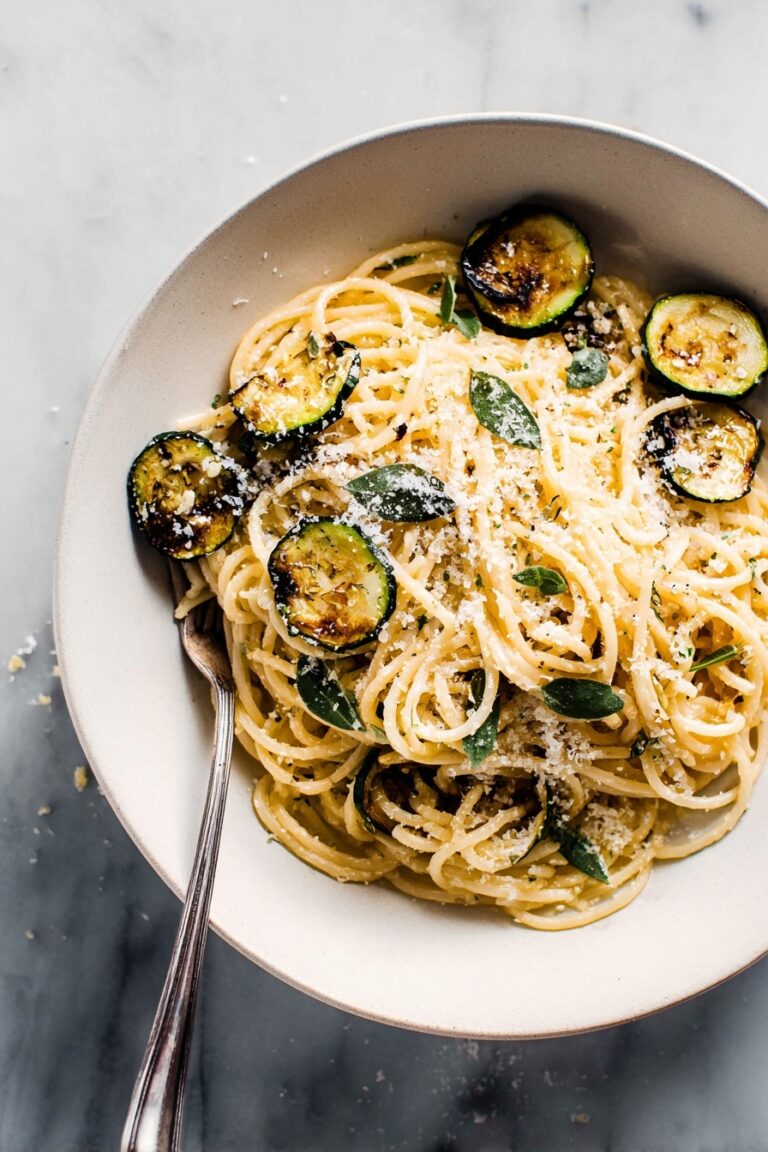
Creamy Lemon Caper Sauce for Pasta Recipe
If you’ve been hunting for a sauce that brightens your pasta nights with a burst of tangy richness, I’m about to share my absolute favorite Creamy Lemon Caper Sauce for Pasta Recipe. This sauce strikes the perfect balance between zesty lemon, salty capers, and luscious cream, making every bite a comforting yet vibrant celebration. Stick around—I’m walking you through the entire process, plus my best tips to make it sing every single time!
Why This Recipe Works
- Bright and Balanced: The fresh lemon juice cuts through the creaminess for a lively flavor.
- Simple Ingredients: You likely have most components on hand, making this a weeknight hero.
- Versatile Sauce: Perfect tossed with pasta, drizzled over chicken or fish, or even veggies.
- Quick and Easy: Comes together in just 10 minutes without any fancy equipment.

Ingredients & Why They Work
Each ingredient in this Creamy Lemon Caper Sauce for Pasta Recipe plays an essential role to create a sauce that’s delicate yet flavorful. Choosing the right types and quality can really elevate your final dish.

- White Wine: A dry white wine like Sauvignon Blanc or Pinot Grigio adds subtle acidity and complexity; avoid sweet wines to keep the balance perfect.
- Lemon Juice: Freshly squeezed lemon juice is best for bright, clean citrus notes—bottled can work, but fresh makes a difference.
- Heavy Cream: This brings the silky, rich texture that rounds out the tartness; make sure it’s at room temperature to avoid curdling.
- Parmesan Cheese: Freshly grated parmesan melts smoothly and thickens the sauce with a savory undertone—don’t use pre-grated for this one.
- Capers: These little salty bursts bring a bright, briny punch that balances the cream and lemon perfectly.
Tweak to Your Taste
One thing I love about this Creamy Lemon Caper Sauce for Pasta Recipe is how easy it is to customize. Whether you want to dial up the tang, make it lighter, or sneak in a twist, there’s room for your personal touch.
- More Caper Punch: I’ve crushed capers finely before adding them to intensify their flavor without overwhelming the sauce.
- Lighter Version: For a lighter, less rich sauce, you can swap half the heavy cream with half-and-half—just remember to keep it warm before adding.
- Dairy Alternatives: Tried subbing in pecorino romano instead of parmesan for a sharper bite, and it works wonderfully.
- Herb Infusion: Toss in fresh chopped parsley or basil at the end to add freshness and color, especially for summertime dinners.
Step-by-Step: How I Make Creamy Lemon Caper Sauce for Pasta Recipe
Step 1: Simmer Wine and Lemon Juice
Start by pouring the white wine and fresh lemon juice into a saucepan over medium heat. Bring them to a gentle boil—it’s this step that reduces any sharp alcohol flavor while concentrating the lemon’s brightness. I usually keep an eye on it for about 2-3 minutes, making sure it doesn’t boil over. This is your flavor foundation, so don’t rush!
Step 2: Stir in Cream and Reduce
Lower your heat to a gentle simmer, then slowly whisk in the room temperature heavy cream. This part is key; adding cold cream can cause curdling, so I always let mine sit out for a bit before cooking. Let the sauce reduce for about 5 minutes—stir often to prevent sticking and to encourage thickening. You’ll start to see it turn lush and creamy right before your eyes.
Step 3: Finish with Parmesan and Capers
Remove the pan from heat, then stir in the freshly grated parmesan cheese until melted smoothly. Immediately add the drained capers, giving the sauce that unmistakable salty tang. This quick stir brings depth and texture—if you want a stronger caper vibe, try crushing a few against the side of the pan as you mix. Voilà, that’s the heart of the Creamy Lemon Caper Sauce for Pasta Recipe ready to use.
Step 4: Toss and Serve
My favorite part: tossing the sauce with freshly cooked pasta while it’s still warm so every strand gets beautifully coated. But don’t stop there—try drizzling it over grilled chicken, fresh seafood, or steamed veggies for a touch of wow. It’s one of those sauces that feels fancy but is effortless enough for midweek meals.
Pro Tips for Making Creamy Lemon Caper Sauce for Pasta Recipe
- Room Temperature Cream: Let the heavy cream warm a bit before adding to avoid sauce breaking—it really makes a difference.
- Freshly Grated Parmesan: Pre-grated often has anti-caking agents that stop it from melting smoothly; fresh is always worth the extra effort.
- Watch the Heat: Keep the sauce on low when adding cream and cheese to prevent curdling or clumping.
- Capers Prep: Rinse capers briefly under cold water if you want to soften their brine, especially if you’re sensitive to salt.
How to Serve Creamy Lemon Caper Sauce for Pasta Recipe

Garnishes
I usually sprinkle a handful of finely chopped fresh parsley on top—its bright green color and herbaceous note complements the lemon so beautifully. Sometimes I add a few twists of cracked black pepper for a hint of spice and texture. A little lemon zest grated over the top adds an extra citrus boost that always feels festive.
Side Dishes
This sauce pairs wonderfully with something light and fresh on the side. I like serving it alongside a crisp arugula salad with shaved fennel and a drizzle of olive oil. Roasted asparagus or green beans sautéed in garlic also make fantastic veggie partners, helping balance the richness.
Creative Ways to Present
For special dinners, I’ve plated the creamy lemon caper sauce atop grilled sea bass fillets with delicate sprigs of dill and a lemon wedge on the side. It’s elegant yet approachable and makes guests wonder what your secret ingredient is (no spoiler: it’s love and good cream!). You can also serve the sauce in a small dipping bowl as part of a tapas-style meal.
Make Ahead and Storage
Storing Leftovers
I store leftover sauce in an airtight container in the fridge for up to three days. When I make it ahead, I like to keep the sauce separate from the pasta to preserve texture and reheat just before serving. The sauce thickens a bit in the fridge, but a splash of milk or cream while reheating brings it back beautifully.
Freezing
I’ve found freezing this creamy lemon caper sauce isn’t ideal due to the cream content—it can separate and change texture. I recommend making it fresh for best results. If you must freeze, freeze it in small portions and thaw gently in the fridge before reheating slowly.
Reheating
When reheating, I use low heat on the stovetop and stir frequently. Adding a little extra cream or milk helps smooth it out if it gets a bit grainy. Microwaving works too, but go low and slow with short intervals to prevent overheating and splitting.
FAQs
-
Can I use half-and-half instead of heavy cream in the Creamy Lemon Caper Sauce for Pasta Recipe?
Yes, you can substitute half-and-half to make a lighter sauce. Just make sure it’s at room temperature before adding it slowly to avoid curdling. The texture will be slightly less rich but still delicious and creamy.
-
What type of white wine should I use for the sauce?
Dry white wines such as Sauvignon Blanc, Pinot Gris, or Pinot Grigio work best. These bring acidity and subtle fruit notes without overpowering the sauce. Avoid sweet or dessert wines for this recipe.
-
Can I prepare the Creamy Lemon Caper Sauce ahead of time?
Absolutely! You can make the sauce in advance and store it in the refrigerator for up to three days. Reheat gently on the stove with a splash of cream or milk to bring it back to a smooth consistency before serving.
-
What pasta pairs best with this sauce?
I like tossing this sauce with long pasta shapes like linguine or fettuccine so every strand gets coated. But feel free to try it with penne, rigatoni, or even gnocchi for a fun twist.
Final Thoughts
Honestly, this Creamy Lemon Caper Sauce for Pasta Recipe quickly became one of my go-to sauces because it’s surprisingly simple yet so full of flavor. It’s like sunshine in a bowl—bright, comforting, and versatile. I highly recommend you give it a try whether you’re looking to spice up your normal pasta routine or impress at your next dinner. Trust me, you’ll want to keep this recipe handy.
Print
Creamy Lemon Caper Sauce for Pasta Recipe
- Prep Time: 5 minutes
- Cook Time: 10 minutes
- Total Time: 15 minutes
- Yield: 6 servings
- Category: Sauce
- Method: Stovetop
- Cuisine: Italian
- Diet: Vegetarian
Description
A rich and tangy Lemon Caper Sauce that combines white wine, lemon juice, heavy cream, parmesan, and capers. Perfect for drizzling over pasta, vegetables, chicken, or fish to add a bright, creamy flavor.
Ingredients
Main Ingredients
- 1 cup white wine
- ¼ cup lemon juice
- 1 cup heavy cream, room temperature
- 1 cup parmesan, freshly grated
- 2 tablespoons capers, drained
Instructions
- Boil Liquids: In a saucepan over medium heat, bring white wine and lemon juice to a boil, allowing the flavors to meld together.
- Simmer Cream: Reduce heat to low and stir in heavy cream. Allow the mixture to simmer gently, reducing it for 5 minutes until slightly thickened.
- Add Cheese and Capers: Remove the saucepan from heat and stir in freshly grated parmesan cheese and drained capers, mixing until smooth and combined.
- Serve: Toss the sauce with pasta or vegetables, or drizzle over cooked chicken or fish for a flavorful finish.
Notes
- Use a dry white wine such as Sauvignon Blanc, Pinot Gris, or Pinot Grigio for the best flavor; white cooking wine is also acceptable.
- Fresh lemon juice provides the best brightness, but 100% real bottled lemon juice can be used in a pinch.
- Heavy cream should be at room temperature to avoid curdling; substitute half and half if needed.
- Freshly grated parmesan thickens the sauce and adds flavor; pecorino romano or asiago can be used as substitutes.
- For a stronger caper flavor, crush the capers with the back of a spoon before stirring into the sauce.
- Store leftover sauce in an airtight container in the refrigerator for up to three days.
Nutrition
- Serving Size: 1/6 recipe
- Calories: 150 kcal
- Sugar: 1 g
- Sodium: 300 mg
- Fat: 12 g
- Saturated Fat: 7 g
- Unsaturated Fat: 4 g
- Trans Fat: 0 g
- Carbohydrates: 2 g
- Fiber: 0 g
- Protein: 4 g
- Cholesterol: 40 mg