Garlic Rosemary Focaccia Bread Recipe
If you’ve ever wanted to bring the warm, fragrant magic of Italian bread right into your kitchen, this Garlic Rosemary Focaccia Bread Recipe is going to be your new best friend. Trust me, I’ve made my fair share of focaccias, and this one stands out for its perfect balance of crispy edges, pillowy interior, and that irresistible combo of roasted garlic and fresh rosemary. Stick around—I’m about to share all my tips to help you nail this bread right on your first try.
Why This Recipe Works
- Perfect Yeast Activation: Warming the water just right wakes the yeast up gently, so your dough rises beautifully every time.
- Roasted Garlic Flavor Boost: Roasting the garlic mellows its bite and adds this incredible sweetness that infuses the bread subtly but memorably.
- Olive Oil for Texture & Shine: Olive oil keeps the focaccia moist inside, crisps the edges perfectly, and gives it that gorgeous golden finish.
- Mindful Rising Times: Giving the dough enough time to double and then rise again means your focaccia gets that ideal airy crumb and lovely lightness.

Ingredients & Why They Work
All the ingredients here come together to create a rustic bread with beautiful texture and layers of flavor. When you pick your rosemary and garlic, fresh is the way to go—trust me, the aroma alone is a good indicator of how delicious it’ll make your focaccia.

- Warm water: Use a thermometer if you have one—the perfect temperature ensures you activate the yeast without killing it.
- Granulated sugar: Just a pinch helps the yeast wake up and start working but won’t make the bread sweet.
- Instant yeast: This is your magical leavening agent; instant yeast saves time since you don’t need to proof it separately.
- All-purpose flour: The backbone of your dough; spoon and level to avoid packing in too much flour, which can dry out the bread.
- Salt: Essential for flavor and it also helps regulate the yeast activity for a better rise.
- Olive oil: Adds richness and keeps the focaccia tender while creating that crispy crust on the outside.
- Fresh rosemary: Its woodsy, piney aroma perfectly complements the garlic and gives that unmistakable Italian vibe.
- Whole garlic bulbs: Roasting the garlic softens its sharpness and brings out a mellow, nutty flavor—delicious both inside and on top.
- Coarse salt (for topping): A sprinkle adds texture and a pop of salty goodness on each bite.
Tweak to Your Taste
I love customizing this focaccia depending on the season or what I have on hand. You can make it your own easily by playing with herb combos or add-ins—you’ll find your favorite twist after a few tries!
- Variation: Sometimes I add sun-dried tomatoes or thinly sliced olives into the dough for an earthy, savory depth. It’s a simple way to switch things up and impress guests.
- Dietary tweaks: For a gluten-free version, try using a blend of gluten-free flours and increase the olive oil slightly—though the texture will be different, the flavor stays amazing.
- Herb swaps: Thyme or sage can step in for rosemary if you want a softer note; I personally adore rosemary because of its robust aroma that pairs beautifully with garlic.
Step-by-Step: How I Make Garlic Rosemary Focaccia Bread Recipe
Step 1: Activate the Yeast with Precision
First things first, get your water temperature just right—between 105°F and 115°F. This is the sweet spot for getting your yeast chewing happily without scalding it. Toss in the sugar and yeast, then let it sit about 5 minutes until it’s frothy and alive. If nothing happens, your yeast may be dead, so always test first!
Step 2: Roast the Garlic for Sweetness
Preheat your oven to 350°F and roast whole, peeled garlic cloves for about 30 minutes in a small skillet. Roasting transforms the garlic’s sharp bite into a mellow, almost buttery flavor. Half of these cloves will go into the dough, the rest top the focaccia for those irresistible garlicky bursts.
Step 3: Mix & Knead the Dough
Measure your flour carefully using the spoon and level method—too much flour can dry your bread out. In your mixer bowl, combine flour, salt, olive oil, and chopped roasted garlic. Pour in the yeasty water and mix on low until combined, then crank up to medium and let the dough dance on the hook for about 5 minutes. You’re aiming for a smooth, elastic dough that just barely sticks to your fingers but easily pulls away from the bowl. Add a sprinkle more flour if it feels too sticky—trust your hands here.
Step 4: Let It Rise Warm & Cozy
Transfer your dough into an oiled bowl and brush the top with a little more olive oil so it doesn’t dry out. Cover tightly with plastic wrap and tuck it away in a warm spot. I usually place it near my oven or on top of the fridge. After about 1½ hours, your dough should have doubled in size and look plump and inviting.
Step 5: Shape & Rise Again
Grease a 9×13” baking sheet generously with olive oil—this creates that crisp, golden bottom layer I love. Gently dump your risen dough onto the sheet, then use your fingers to stretch it out evenly, making sure it reaches every corner. Cover again with plastic wrap and let it rest in your warm spot for another 30 minutes—this second rise is key for getting the airy texture.
Step 6: Dimple, Dress & Bake
Once risen again, dig your fingers all over the dough to create the classic focaccia dimples—that’s where the olive oil pools later and keeps the bread moist. Brush generously with more olive oil, scatter those reserved roasted garlic cloves, sprinkle fresh rosemary leaves, and finish with a dusting of coarse salt. Bake on the middle oven rack at 400°F for about 20 minutes, until golden and irresistible. I can’t resist brushing on a final light coat of olive oil as soon as it’s out of the oven; it gives the crust that stunning shine and extra flavor.
Pro Tips for Making Garlic Rosemary Focaccia Bread Recipe
- Water Temperature Matters: Use a thermometer to get the water between 105°F-115°F; too hot and it kills the yeast, too cold and it won’t activate.
- Don’t Over Flour: I almost ruined my first focaccia by adding too much flour—keep it just a bit sticky for lightness.
- Roast Garlic in Bulk: Roasting extra garlic lets you have it on hand for other dishes or to sprinkle freshly anytime.
- Don’t Skip Olive Oil Brushing: It locks in moisture, crisps the crust, and adds flavor layers you won’t want to miss.
How to Serve Garlic Rosemary Focaccia Bread Recipe

Garnishes
I love topping my focaccia with a little extra sea salt and fresh rosemary right before serving—it adds that lovely crunch and bursts of herbaceous flavor that make each bite pop. A light drizzle of good-quality olive oil right as it comes out of the oven seals the deal.
Side Dishes
This focaccia pairs perfectly with almost anything! I like serving it alongside a robust tomato soup or a fresh Caprese salad for a simple Italian-inspired meal. It’s also a winner with dips like hummus or olive tapenade.
Creative Ways to Present
For parties, I cut the focaccia into small squares and serve on a wooden board garnished with sprigs of rosemary. For a fun twist, drizzle some balsamic glaze over the top—guests always love it, and it amps up the flavor beautifully.
Make Ahead and Storage
Storing Leftovers
I keep leftover focaccia wrapped tightly in plastic wrap and then in a resealable bag at room temperature for up to two days. If you notice it getting a little stale, it’s still perfect for making sandwiches or croutons.
Freezing
If I want to save focaccia longer, I slice it before freezing to make thawing easier—just wrap slices tightly in foil and place them in a freezer bag. It stays fresh for up to 3 months this way.
Reheating
Reheating focaccia is simple: pop it in a 350°F oven for about 8–10 minutes, uncovered. This brings back the crispy crust and warms the inside without drying it out. For single slices, a toaster oven works wonders too.
FAQs
-
Can I use active dry yeast instead of instant yeast for this Garlic Rosemary Focaccia Bread Recipe?
Yes, you can use active dry yeast, but you’ll need to proof it first by dissolving it in warm water with sugar and letting it sit until foamy, about 5–10 minutes, before mixing it into your dough ingredients. Instant yeast skips this step, making the process quicker.
-
Why is roasting the garlic important in this Garlic Rosemary Focaccia Bread Recipe?
Roasting the garlic softens its sharp bite and enhances its sweetness, which creates a milder, richer flavor that melds beautifully with the dough and rosemary for that signature taste. Raw garlic would be too pungent and can overpower the bread.
-
What if my dough doesn’t rise properly?
Check that your yeast is fresh and that your water temperature was correct. The dough also needs to be in a warm, draft-free spot to rise. Sometimes letting it rise longer helps. If the dough is very dense after mixing, try adding a bit more water or reducing flour on your next try.
-
Can I make the Garlic Rosemary Focaccia Bread Recipe without a stand mixer?
Absolutely! You can mix and knead the dough by hand on a floured surface—just knead for about 10 minutes until it’s elastic and smooth. It’s a good arm workout and connects you more to the process.
Final Thoughts
This Garlic Rosemary Focaccia Bread Recipe has become a staple for me because it’s approachable and rewards your effort with stunning flavor and texture. I love pulling it out for family dinners or as a thoughtful gift for friends. Baking bread from scratch can feel intimidating, but trust me—you’ve got this. Once you try it, I bet it’ll hold a special place in your kitchen too.
Print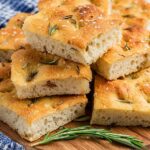
Garlic Rosemary Focaccia Bread Recipe
- Prep Time: 10 minutes
- Cook Time: 20 minutes
- Total Time: 2 hours 30 minutes
- Yield: 8 servings
- Category: Bread
- Method: Baking
- Cuisine: Italian
- Diet: Vegetarian
Description
This garlic rosemary focaccia recipe offers a fragrant and flavorful Italian bread, featuring roasted garlic cloves and fresh rosemary infused into a tender, olive oil-rich dough. Perfect as a savory appetizer or side, it’s baked to golden perfection with a crispy crust and soft, airy interior.
Ingredients
For the Dough
- 1 1/3 cup warm water (105°F to 115°F)
- 2 teaspoons granulated sugar
- 1 ounce instant yeast (2 1/4 teaspoons)
- 3 3/4 cups all purpose flour (480g)
- 2 teaspoons salt
- 1/4 cup olive oil
- Half of roasted garlic cloves (from 2 whole bulbs, separated and peeled)
Topping
- 1/4 cup olive oil
- Remaining roasted garlic cloves
- 3 sprigs fresh rosemary, chopped
- Coarse salt for sprinkling
Instructions
- Activate Yeast. Using a thermometer, ensure the water is between 105°F to 115°F. Add sugar to the warm water along with yeast and allow it to sit for 5 minutes until frothy, indicating the yeast is activated.
- Roast Garlic. Preheat oven to 350°F. Place peeled garlic cloves in a small skillet and bake for about 30 minutes until soft. Chop half for the dough and reserve the other half for topping.
- Mix Dry Ingredients. Measure 3 3/4 cups flour using spoon and leveling technique. In a stand mixer bowl with a dough hook, combine flour, salt, 1/4 cup olive oil, and chopped roasted garlic cloves.
- Combine and Knead Dough. Pour yeast mixture into flour mixture slowly while mixing on low. Increase speed to medium and knead for about 5 minutes until dough pulls away from bowl and is not sticky to touch; add small amounts of flour if needed.
- First Rise. Transfer dough to a large mixing bowl greased with olive oil, brush top with olive oil, and cover with plastic wrap. Allow to rise in a warm place for 1 1/2 hours or until doubled in size.
- Prepare Baking Sheet and Second Rise. Preheat oven to 400°F. Grease a 9×13” baking sheet with olive oil. Place dough on sheet and spread evenly with fingers to cover the surface. Cover again with plastic wrap and let rise for 30 minutes in a warm place.
- Add Toppings and Bake. After second rise, poke holes evenly in dough using fingers. Brush dough with olive oil then sprinkle reserved roasted garlic cloves, chopped rosemary, and coarse salt on top. Bake in the middle rack for about 20 minutes until golden.
- Final Touch. Remove focaccia from oven and brush lightly with additional olive oil for extra flavor and shine before serving.
Notes
- Use warm water at the precise temperature range to properly activate yeast and ensure good rise.
- The spoon and leveling technique helps avoid compacting flour, which can toughen the bread.
- Roasting garlic before adding it to the dough softens its flavor and adds a subtle sweetness.
- If dough feels sticky after kneading, add flour gradually to maintain softness but avoid stickiness.
- Allowing the dough to rise twice develops flavor and a light crumb texture.
- Coarse salt sprinkled on top adds a nice crunch and contrast to the soft bread.
- Use fresh rosemary for the best aroma and flavor.
Nutrition
- Serving Size: 1 slice (approx. 1/8 of recipe)
- Calories: 210 kcal
- Sugar: 1 g
- Sodium: 350 mg
- Fat: 9 g
- Saturated Fat: 1.3 g
- Unsaturated Fat: 7 g
- Trans Fat: 0 g
- Carbohydrates: 28 g
- Fiber: 1.5 g
- Protein: 5 g
- Cholesterol: 0 mg