Korean Gochujang Meatballs Recipe
If you’re craving a flavorful party appetizer or a tasty weeknight dinner with a spicy kick, you’re going to love this Korean Gochujang Meatballs Recipe. These meatballs pack that perfect balance of sweet, spicy, and savory, all thanks to the magic of gochujang—a Korean chili paste that’s become one of my kitchen staples. Trust me, once you try these, they’ll become your new go-to for impressing friends or jazzing up a family meal.
Why This Recipe Works
- Balanced Flavor Profile: The combination of gochujang, apricot preserves, and soy sauce creates a glaze that’s both sweet and spicy, elevating simple beef meatballs into an irresistible treat.
- Textural Perfection: Panko breadcrumbs help keep the meatballs tender and light, while pan-searing locks in juicy flavor and gives a beautiful crust.
- Simple to Make: Even if it sounds fancy, this recipe uses everyday ingredients and easy steps—perfect for any skill level.
- Versatile Serving Options: These meatballs are ideal as finger food, part of a rice bowl, or even tossed with noodles, making them truly versatile.

Ingredients & Why They Work
Every ingredient here plays a key role in building those juicy, flavorful Korean-style meatballs. I love how the savory ground beef pairs with the fiery yet sweet gochujang, while the apricot preserves add just the right touch of fruitiness to balance the heat. When you shop, look for fresh ginger and good-quality gochujang since these really make a difference in taste.

- Green onions: Thinly sliced for freshness and a subtle crunch; don’t skip these—they lighten up the meatballs beautifully.
- Garlic cloves: Fresh and minced for that classic aromatic punch.
- Egg: Acts as a binder to help hold everything together without making the meatballs tough.
- Panko breadcrumbs: These keep the meatballs tender and airy instead of dense.
- Gochujang Korean chili paste: The star ingredient that gives both heat and umami; invest in a good-quality jar.
- Fresh ginger: Adds warmth and a bright, spicy note that complements garlic perfectly.
- Kosher salt: Enhances all the flavors without overpowering.
- Ground white pepper: Offers a gentle peppery heat that’s less sharp than black pepper.
- Ground beef: Choose 80/20 for just enough fat to stay juicy.
- Canola oil: For pan-frying—neutral flavor and high smoke point make it perfect.
- Apricot preserves: Bring sweetness and a touch of fruit to the glaze for contrast.
- Rice vinegar: Adds brightness and acidity to balance richness.
- Soy sauce: Deepens the savory flavor in the glaze; opt for low-sodium if you’re watching salt.
- Sliced green onion and toasted sesame seeds: Classic garnishes that add freshness and nutty aroma.
Tweak to Your Taste
One of the best things about this Korean Gochujang Meatballs Recipe is how easy it is to personalize. I’ve played around with spice levels, cooking methods, and even swapped ingredients to suit what I had on hand or different dietary needs—so don’t be afraid to experiment a bit yourself!
- Spice it up: When I want a bigger punch, I add extra gochujang or sprinkle a little red chili flakes in the meat mixture. Just remember, go slow—you can always add more!
- Healthier swap: I’ve tried ground turkey instead of beef, which makes the meatballs lighter but still juicy if you don’t overcook them.
- Gluten-Free: Swap panko for gluten-free breadcrumbs or crushed rice crackers for similar texture.
- Make it vegetarian: Using mashed chickpeas or finely chopped mushrooms together can mimic texture if you want to skip meat.
Step-by-Step: How I Make Korean Gochujang Meatballs Recipe
Step 1: Mix Your Meatball Magic
Start by preheating your oven to 350°F. In a large bowl, stir together the sliced green onions, minced garlic, beaten egg, panko breadcrumbs, gochujang, fresh ginger, kosher salt, and ground white pepper. This mix packs in the flavor early on, so don’t rush. Then add your ground beef and mix just until combined—overmixing can make the meatballs tough, so I usually use my hands here for a gentle touch. Form them into golf ball-sized meatballs, which lets them cook evenly without losing moisture.
Step 2: Brown Meatballs on the Stovetop
Heat your canola oil over medium-high heat in a large skillet. Once hot, add the meatballs in batches—don’t overcrowd the pan or they’ll steam instead of sear. Cook each batch for about 3 to 4 minutes, turning occasionally, until they’re nicely browned on all sides. This step is a game-changer for flavor and texture, so take your time here. Once browned, transfer the meatballs to a rimmed baking pan.
Step 3: Finish Baking for Juiciness
Pop the baking pan in the oven and bake the meatballs for 10 minutes or until the internal temperature reaches 160°F. This ensures they’re cooked through but still juicy inside. If you don’t have a thermometer, just cut one open: the meat should be no longer pink inside.
Step 4: Whip Up That Glaze
While the meatballs bake, whisk together apricot preserves, gochujang, rice vinegar, and soy sauce in a small saucepan over medium heat. Stir frequently for about 5 minutes until it thickens slightly. This glossy glaze brings a sweet-heat zing that clings so beautifully to each meatball.
Step 5: Glaze and Garnish
Once your meatballs come out of the oven, brush them generously with the glaze. Top with sliced green onion and toasted sesame seeds for that final pop of color, texture, and flavor. Then, dig in!
Pro Tips for Making Korean Gochujang Meatballs Recipe
- Don’t Overmix: When combining meat and seasonings, using gentle hands keeps your meatballs tender and juicy—too much mixing squeezes out those precious juices.
- Brown Before Bake: Pan-frying adds a depth of flavor and texture you just can’t get from baking alone—plus it helps seal in the moisture.
- Use a Meat Thermometer: This little tool saved me from overcooked dry meatballs; 160°F is the sweet spot for beef.
- Adjust Glaze Sweetness: Taste your glaze as you go—if you like it sweeter, add a little more apricot preserves; more heat? Add extra gochujang in small increments.
How to Serve Korean Gochujang Meatballs Recipe

Garnishes
I always sprinkle these meatballs with sliced green onions and toasted sesame seeds for freshness and a subtle crunch. Sometimes, I add a few thin slices of red chili for extra color and heat. These garnishes brighten the dish and make it look way more restaurant-worthy!
Side Dishes
Pair these meatballs with steamed jasmine rice or cauliflower rice for a low-carb option. I’m also a fan of serving them alongside a simple cucumber salad dressed with rice vinegar and sesame oil, which cuts through the richness perfectly. For a fuller meal, some stir-fried veggies or kimchi also complement the Korean flavors beautifully.
Creative Ways to Present
On special occasions, I like to thread these Korean Gochujang Meatballs onto skewers for easy sharing at parties. They’re also fantastic plated over a bed of noodles tossed in sesame sauce, or even served with lettuce wraps where everyone can build their own bites. These fun presentations always spark conversation!
Make Ahead and Storage
Storing Leftovers
Leftover meatballs keep well in an airtight container in the fridge for up to 3 days. I usually store the meatballs separately from the glaze to keep them from getting soggy, then reheat and re-glaze right before serving.
Freezing
You can freeze these meatballs either cooked or uncooked. I prefer cooking them first, letting them cool completely, then freezing in a single layer on a baking sheet. Once frozen, transfer to a freezer bag for up to 3 months. It’s a lifesaver for busy weeknights!
Reheating
For the best texture, reheat frozen meatballs in a 350°F oven for about 15 minutes until warmed through. You can also gently reheat on the stovetop covered, then brush with fresh glaze. Avoid microwaving if you want to keep them from getting rubbery.
FAQs
-
Can I use ground pork or chicken instead of beef?
Absolutely! Ground pork or chicken are great substitutes and will work well with the flavors in this Korean Gochujang Meatballs Recipe. Just keep in mind that lean chicken can dry out more quickly, so watch your cooking times and consider adding a bit more moisture (like an extra egg or a splash of soy sauce) to the mix.
-
Is gochujang very spicy?
Gochujang has a moderate heat level but also packs a lot of umami and sweetness, so it’s not just spicy—it’s complex. If you’re sensitive to spice, start with a smaller amount and adjust according to your taste. Remember, the glaze also contains apricot preserves which mellow out the heat beautifully.
-
Can I bake the meatballs without pan-frying first?
Yes, you can skip the pan-frying and bake them straight away, but keep in mind that you’ll miss out on that flavorful crust that browning provides. If you’re short on time, bake at 400°F for 15–20 minutes until cooked through and then brush with the glaze for a tasty finish.
-
How can I make this recipe gluten-free?
Simply swap the panko breadcrumbs for gluten-free breadcrumbs or crushed rice crackers. Also, check your soy sauce—gluten-free tamari is a perfect alternative to keep the dish fully gluten-free.
Final Thoughts
This Korean Gochujang Meatballs Recipe holds a special place in my heart because it’s one of those dishes that’s impressive yet approachable—perfect for sharing with friends or cozying up at home. I hope you give it a try and love how all those bold, comforting flavors come together in every bite. Once you do, you’ll have a new favorite to turn to anytime you want that mix of sweet, spicy, and savory magic. Can’t wait to hear how yours turn out!
Print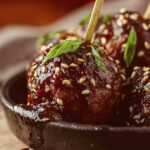
Korean Gochujang Meatballs Recipe
- Prep Time: 25 minutes
- Cook Time: 30 minutes
- Total Time: 55 minutes
- Yield: 4 servings
- Category: Appetizer
- Method: Frying
- Cuisine: Korean
Description
These Korean Style Meatballs combine flavorful ground beef with traditional Korean ingredients like gochujang and ginger, pan-fried to a golden brown then finished in the oven. A sweet and spicy apricot glaze complements the meatballs perfectly, garnished with sliced green onions and toasted sesame seeds for an irresistible appetizer or main dish.
Ingredients
For the Meatballs:
- 3 green onions very thinly sliced
- 2 garlic cloves minced
- 1 egg lightly beaten
- 0.5 cup panko breadcrumbs
- 2 tablespoons gochujang Korean chili paste
- 1 tablespoon minced fresh ginger
- 1 teaspoon kosher salt
- 0.5 teaspoon ground white pepper
- 1 pound ground beef
- 2 tablespoons canola oil for pan-frying
For the Glaze:
- 0.33 cup apricot preserves
- 2 tablespoons gochujang Korean chili paste
- 1.5 tablespoons rice vinegar
- 1 tablespoon soy sauce
For the Garnish:
- Sliced green onion
- Toasted sesame seeds
Instructions
- Prepare the Meatball Mixture: Preheat the oven to 350 degrees F. In a large bowl, combine the sliced green onions, minced garlic, beaten egg, panko breadcrumbs, gochujang, minced fresh ginger, kosher salt, and ground white pepper. Add the ground beef and stir gently or mix with your hands until just combined, being careful not to overmix.
- Form the Meatballs: Using your hands or a scoop, gently shape the mixture into golf ball-sized meatballs, ensuring they are uniform in size for even cooking.
- Pan-Fry the Meatballs: Heat canola oil in a large skillet over medium-high heat. In batches, add the meatballs and cook for 3 to 4 minutes, turning occasionally, until they are browned on all sides.
- Bake the Meatballs: Transfer the browned meatballs to a rimmed baking pan and place them in the preheated oven. Bake for 10 minutes or until the internal temperature reaches 160 degrees F, ensuring they are cooked through.
- Make the Glaze: While the meatballs bake, combine apricot preserves, gochujang, rice vinegar, and soy sauce in a small saucepan. Whisk together and cook over medium heat for 5 minutes, stirring frequently, until the glaze is slightly thickened.
- Glaze and Garnish: Once meatballs are cooked, brush them generously with the prepared glaze. Sprinkle with sliced green onions and toasted sesame seeds for garnish before serving.
Notes
- Ensure not to overmix the meatball mixture as it can make the meatballs tough.
- Use panko breadcrumbs for a lighter texture.
- Adjust the amount of gochujang in the glaze and meatballs to control the spice level.
- Use a meat thermometer to accurately check the internal temperature of the meatballs.
- If preferred, apricot preserves can be substituted with peach or orange preserves.
- Serve with steamed rice or inside slider buns for a complete meal.
Nutrition
- Serving Size: 1 serving
- Calories: 320 kcal
- Sugar: 8 g
- Sodium: 550 mg
- Fat: 18 g
- Saturated Fat: 6 g
- Unsaturated Fat: 10 g
- Trans Fat: 0 g
- Carbohydrates: 20 g
- Fiber: 1 g
- Protein: 22 g
- Cholesterol: 75 mg