Stovetop Mac and Cheese Recipe
If you’ve ever craved comfort in a bowl, this Stovetop Mac and Cheese Recipe is exactly the cozy hug your taste buds need. It’s creamy, cheesy, and comes together super fast on your stove — no oven required! Trust me, once you try this, you’ll never look back at the boxed stuff. I’ve tested it over and over to get everything just right, so I’m excited to share all the juicy details that will help you make the most perfect, velvety mac and cheese every time.
Why This Recipe Works
- Creamy Sauce Without Baking: Cooking your cheese sauce right on the stove means no fuss with ovens and faster results.
- Balanced Cheeses: Using sharp cheddar, cream cheese, and Parmesan creates layers of richness and sharpness that keep every bite interesting.
- Flour-Based Roux: The butter and flour base thickens the sauce perfectly, giving it that velvety texture we all love.
- Seasoned with Dry Mustard: A little dry mustard powder wakes up the cheese, boosting flavor without overpowering it.

Ingredients & Why They Work
Choosing ingredients for a stovetop mac and cheese means focusing on what brings richness, smooth texture, and flavorful punch. Here’s why each one plays an essential part—and little tips I’ve picked up along the way to make shopping easier.

- Pasta (small shapes like shells or elbow macaroni): Smaller pasta holds onto sauce beautifully, so every bite is creamy and coated.
- Butter: The base of the roux, melting butter provides that silky, rich start for your sauce.
- Flour: When cooked with butter, it thickens the sauce to creamy perfection rather than runny mess.
- Nonfat Milk and Heavy Cream: Combining both adds creaminess without the sauce getting too heavy or greasy.
- Cream Cheese: It melts smoothly and amps up the silky feel and tang.
- Sharp Cheddar Cheese: The hero cheese here — sharpness that cuts through the richness and gives bold flavor.
- Parmesan: Adds a nutty, salty depth that rounds out the cheese blend.
- Dry Mustard Powder: Just a pinch wakes up the cheese flavor without tasting like mustard.
- Salt & Pepper: Essential to balance and season every layer of this dish.
Tweak to Your Taste
I love how customizable this stovetop mac and cheese recipe is—there’s room to make it your own depending on what you have on hand or how adventurous you’re feeling. Here are some fun tweaks I’ve tried that might inspire you.
- Variation: Adding a bit of smoked paprika or cayenne pepper gives an unexpected but amazing smoky kick—my family loved this twist when I tried it last weekend!
- Dairy-Free Version: Swap the dairy for plant-based milk and vegan cheeses for a tasty alternative that still keeps creamy vibes.
- Extra Veggies: Stir in steamed broccoli or sautéed mushrooms just before serving to sneak in some greens.
- Protein Boost: Toss in cooked bacon bits or shredded rotisserie chicken for a heartier meal.
Step-by-Step: How I Make Stovetop Mac and Cheese Recipe
Step 1: Cook Pasta to Al Dente Perfection
Bring 4 to 6 quarts of water to a boil and add a good tablespoon of kosher salt for seasoning. When the water bubbles vigorously, toss in your pasta and cook it according to package instructions until it’s al dente—meaning it has a little bite but isn’t mushy. Drain it in a colander and set aside. I find rinsing it quickly with warm water helps stop the cooking and prevents sticking without washing away all the flavor.
Step 2: Make a Golden Roux with Butter and Flour
In the same pot, melt ½ cup of butter over medium-low heat. Once melted, sprinkle in ½ cup of all-purpose flour. Stir this mixture constantly for several minutes until it turns a light golden color—this cooks out the raw flour taste and gives you the base for a silky sauce. Be patient here and don’t turn the heat too high; you want to gently cook the flour, not burn it.
Step 3: Warm Milk and Cream, Then Thicken the Sauce
While the roux cooks, heat 3 cups of nonfat milk and 1 cup of heavy cream together until hot but not boiling, either in the microwave or on the stove. Slowly pour this warm mixture into your roux, whisking constantly to avoid lumps. Keep stirring as it simmers gently; you’ll notice the sauce thickening and coating the back of a spoon—this means it’s ready for the next step.
Step 4: Melt in Cream Cheese and Seasonings
Add 4 ounces of cream cheese into the thickened sauce along with a pinch of salt, pepper, and ½ teaspoon of dry mustard powder. Whisk until the cream cheese melts completely for that rich, tangy note that makes this dish irresistible.
Step 5: Stir in the Cheeses
Remove the pot from heat and fold in 3 cups of freshly grated sharp cheddar and 1 cup of Parmesan cheese. Keep stirring until the cheeses melt smoothly into the sauce without clumps. Freshly grating cheese is a game changer here—pre-shredded usually has anti-caking agents that prevent perfect melting.
Step 6: Combine Pasta and Cheese Sauce
Toss the drained pasta into your warm cheese sauce, stirring gently to coat every piece. Serve immediately for best creamy texture—if you let it sit too long, the sauce will firm up and lose that silky charm.
Pro Tips for Making Stovetop Mac and Cheese Recipe
- Fresh Cheese is Key: I’ve learned that freshly grating your cheddar and Parmesan ensures that smooth, melty texture without clumping.
- Slow and Steady Roux: Taking your time cooking the butter and flour avoids a gritty sauce and adds a wonderful nutty flavor.
- Warm Your Dairy: Adding cold milk and cream slows the sauce-thickening process and can cause lumps—warming them first makes your sauce silky every time.
- Serve Immediately: This stovetop mac and cheese is best enjoyed right away; reheating can be done but expect a slightly thicker sauce.
How to Serve Stovetop Mac and Cheese Recipe

Garnishes
I usually sprinkle mine with a little extra grated Parmesan and a pinch of cracked black pepper for a touch of sharpness. Sometimes I add fresh chopped parsley or chives for color and a hint of freshness that cuts through the richness. If I’m feeling fancy, a few crispy breadcrumbs toasted in butter add a delightful crunch.
Side Dishes
Mac and cheese pairs perfectly with just about anything, but my go-to sides include a fresh green salad with tangy vinaigrette, roasted seasonal veggies like Brussels sprouts or asparagus, or even some garlicky sautéed spinach. For a heartier meal, barbecue pulled pork or grilled chicken are excellent companions.
Creative Ways to Present
For special occasions, I love serving this stovetop mac and cheese in individual ramekins topped with crispy bacon bits and a sprinkle of smoked paprika. It makes a simple dish feel extra special. Or try layering it in a casserole dish with some toasted breadcrumbs and broiling briefly for a browned crust—though I do adore the classic stovetop version too much to skip!
Make Ahead and Storage
Storing Leftovers
I store leftovers in an airtight container in the fridge for up to 3 days. Before sealing, let the mac and cheese cool completely to keep moisture in check. You might notice the sauce firms up quite a bit—that’s totally normal.
Freezing
Freezing stovetop mac and cheese is doable but not my favorite. It tends to become a bit grainy after thawing, but if you wrap it tightly in freezer-safe containers, it’s good for up to 2 months. I recommend adding a splash of milk or cream when reheating to help restore creaminess.
Reheating
Reheat stovetop mac and cheese gently on low heat, stirring frequently to prevent sticking or scorching. A little extra milk or cream helps loosen the sauce and bring back that silky texture. Avoid microwaving without stirring, since it can heat unevenly and dry out parts of the dish.
FAQs
-
Can I use different types of pasta for this stovetop mac and cheese recipe?
Absolutely! Small-shaped pasta like elbow macaroni or shells are ideal because they hold the cheese sauce well, but feel free to get creative with penne, rotini, or even cavatappi. Just adjust your cooking time accordingly to keep the pasta al dente.
-
What cheese works best for stovetop mac and cheese recipe?
Sharp cheddar is a classic and provides bold flavor. Adding cream cheese makes the sauce creamy and smooth, while Parmesan adds depth and nuttiness. Combining these cheeses gives you the best of all worlds with great melt and flavor complexity.
-
How do I prevent my cheese sauce from getting grainy?
To avoid a grainy texture, use freshly grated cheese rather than pre-shredded. Also, make sure to add the cheese off the heat and stir gently to melt it slowly. Overheating or boiling the cheese sauce can cause it to separate and become grainy.
-
Can I make this recipe ahead of time?
You can prepare the cheese sauce ahead but it’s best to combine with pasta and serve fresh for the creamiest texture. If you have leftovers, refrigerate and reheat gently with a splash of milk to revive the creaminess.
Final Thoughts
This stovetop mac and cheese recipe holds a special spot in my kitchen because it’s quick, reliable, and genuinely delicious every time. It’s the kind of recipe you can whip up on a busy weeknight but also serve to guests without a hitch. I hope you’ll give it a try and find yourself reaching for it whenever mac and cheese cravings strike. Trust me, once you taste it, you might just toss the boxed stuff out for good!
Print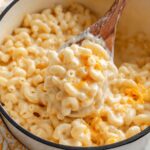
Stovetop Mac and Cheese Recipe
- Prep Time: 10 minutes
- Cook Time: 20 minutes
- Total Time: 30 minutes
- Yield: 10 servings
- Category: Main Course
- Method: Stovetop
- Cuisine: American
- Diet: Vegetarian
Description
A creamy and comforting stovetop macaroni and cheese recipe made with sharp cheddar, Parmesan, and cream cheese in a rich, homemade cheese sauce. Perfect for a quick dinner or side dish, it uses simple ingredients and cooks entirely on the stove.
Ingredients
Pasta
- 1 pound small pasta like shells or elbow macaroni
Cheese Sauce
- 1/2 cup butter
- 1/2 cup flour
- 3 cups nonfat milk
- 1 cup heavy cream
- 4 ounces cream cheese
- 3 cups freshly grated sharp cheddar cheese
- 1 cup freshly grated Parmesan cheese
- 1/2 teaspoon dry mustard powder
- Salt to taste
- Freshly ground black pepper to taste
Instructions
- Cook Pasta: Boil 4 to 6 quarts of water in a large pot. Add 1 tablespoon of kosher salt and the uncooked pasta. Cook the pasta until al dente following the package instructions, then drain in a large colander and set aside.
- Make Roux: Return the empty pot to medium-low heat and melt 1/2 cup butter. Stir in 1/2 cup flour and cook for several minutes while stirring often, until the mixture turns a golden brown color to create the roux.
- Heat Milk and Cream: In a microwave-safe bowl, heat 3 cups nonfat milk and 1 cup heavy cream together for 2 minutes until hot but not boiling. Alternatively, heat in a small saucepan over the stove until steaming.
- Combine Milk with Roux: Slowly pour the hot milk and cream mixture into the roux, stirring constantly. Continue to cook over medium heat, stirring often, until the sauce thickens and can coat the back of a spoon, bringing it to a gentle simmer.
- Add Cream Cheese and Seasonings: Stir in 4 ounces cream cheese, 1/2 teaspoon dry mustard powder, and a pinch of salt and pepper. Whisk until the cream cheese dissolves completely and sauce is smooth.
- Melt Cheeses: Remove the sauce from heat and immediately stir in 3 cups freshly grated sharp cheddar and 1 cup freshly grated Parmesan until fully melted and smooth.
- Combine Pasta and Cheese Sauce: Add the cooked pasta back to the pot and stir thoroughly to coat the pasta evenly with the cheese sauce.
- Serve: Divide the macaroni and cheese into bowls and serve hot for a creamy, delicious comfort meal.
Notes
- For a richer dish, substitute whole milk for nonfat milk.
- If you prefer a sharper flavor, add more sharp cheddar cheese.
- Use freshly grated cheese for the best melting and flavor.
- To make it vegetarian, ensure the cheese used is free of animal rennet.
- Do not boil the milk; just heat until hot to prevent curdling the sauce.
- You can add a pinch of smoked paprika or cayenne for a little heat and depth.
Nutrition
- Serving Size: 1 cup
- Calories: 350 kcal
- Sugar: 5 g
- Sodium: 450 mg
- Fat: 18 g
- Saturated Fat: 10 g
- Unsaturated Fat: 6 g
- Trans Fat: 0 g
- Carbohydrates: 35 g
- Fiber: 2 g
- Protein: 15 g
- Cholesterol: 75 mg