Vanilla Cake Recipe
Alright, get ready to bake the fluffiest, most tender, melt-in-your-mouth Vanilla Cake Recipe you’ll ever try. I’ve made this soft vanilla cake more times than I can count, and every time it turns out perfectly moist and flavorful. Whether you’re an experienced baker or just starting out, stick with me here — you’re going to love how simple yet impressive this recipe is. Plus, I’ve packed this post with tips and tricks I’ve learned along the way to make sure your vanilla cake comes out amazing every single time!
Why This Recipe Works
- Balanced Fat & Liquid: The mix of butter, oil, and buttermilk creates an incredibly soft, moist crumb every time.
- Gentle Folding Technique: Folding in dry ingredients keeps the cake tender by stopping gluten from getting tough.
- Flavor Depth: Vanilla extract combined with a splash of vinegar brightens and enhances that classic vanilla flavor delightfully.
- Perfect Frosting Pairing: The light and creamy buttercream frosting complements the cake’s softness without overwhelming it.

Ingredients & Why They Work
Every ingredient in this Vanilla Cake Recipe has a purpose, and choosing good-quality ones will take your cake from good to unforgettable. I always recommend weighing the flour for the best texture and avoiding any surprises with dense or dry cake.
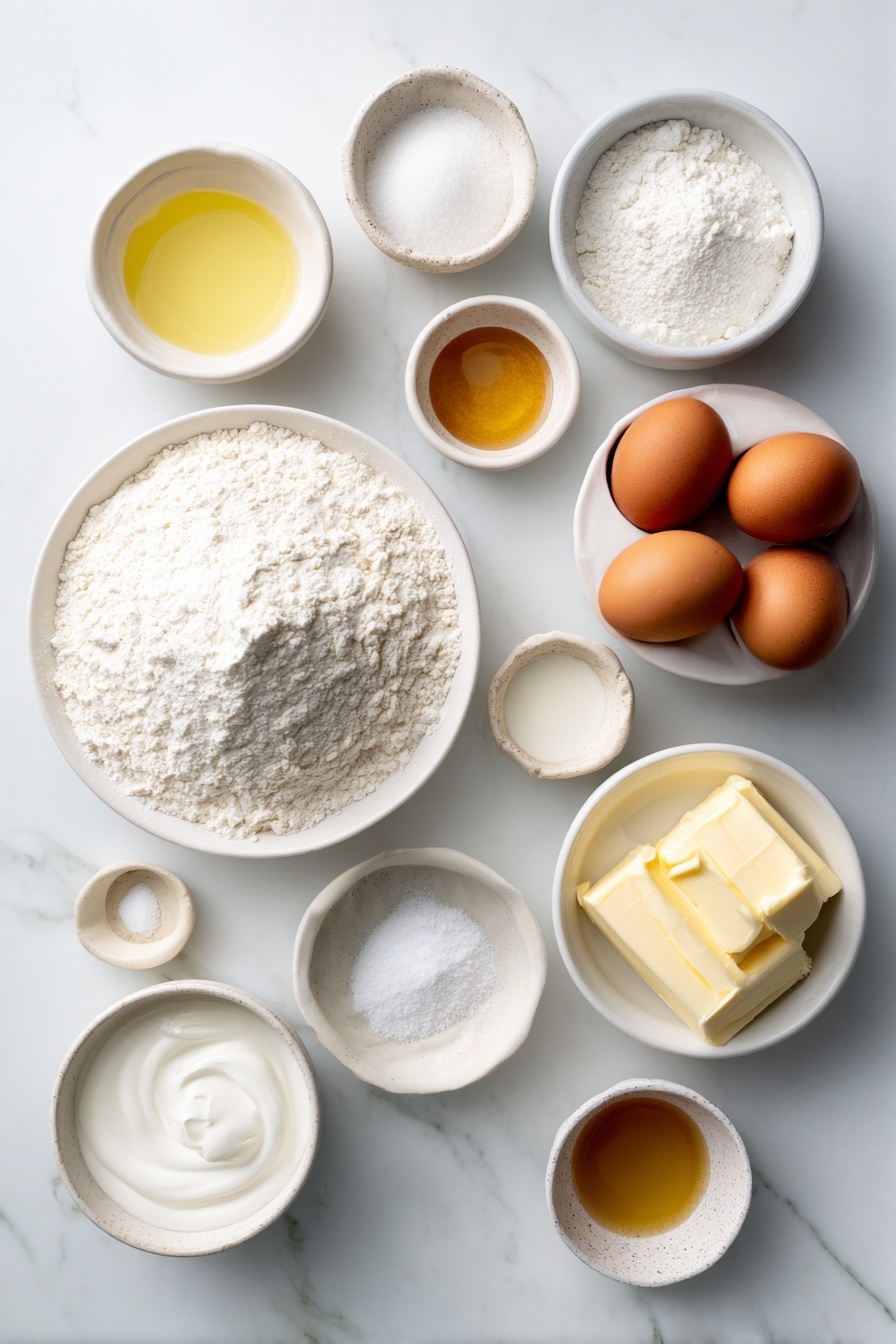
- All-purpose flour: Provides structure but paired with cornstarch, it keeps the cake light and soft.
- Cornstarch: Reduces gluten formation and improves tenderness, giving the cake that soft crumb.
- Baking soda & baking powder: Both help the cake rise perfectly fluffy but not airless.
- Salt: Balances flavors unless you’re using salted butter—in which case, you can skip adding more salt.
- Unsalted butter: Adds richness and flavor; making sure it’s room temp lets it cream up smoothly with sugar.
- Vegetable oil: Keeps the cake extra moist and soft, adding an important fat component that butter alone can’t provide.
- White granulated sugar: Sweetens the cake and helps with tenderization during baking.
- Eggs: Bind everything together and add structure without sacrificing softness.
- Vanilla extract: The star of the show for that classic, aromatic vanilla flavor.
- White vinegar: A secret little boost that enhances the fluffiness by reacting with baking soda.
- Buttermilk: Adds moisture, tang, and acidity that contributes to tender crumb and flavor complexity.
- Powdered sugar (for frosting): Provides smooth sweetness with no grittiness.
- Milk (for frosting): Helps achieve the right frosting consistency, whether you prefer it thicker or spreadable.
Tweak to Your Taste
One of the best things about this Vanilla Cake Recipe is how adaptable it is! I like to add my own little twists depending on the occasion or mood, and you definitely should too.
- Use cake flour: If you prefer an ultra-light texture, swapping all-purpose flour and cornstarch for cake flour works beautifully—I’ve done it myself and the cake’s even softer!
- Flavored extracts: Besides vanilla, try almond or a hint of lemon extract for a subtle flavor change.
- Dairy substitutes: If you don’t have buttermilk on hand, you can use a milk and vinegar mixture, but I recommend adjusting the amount as it can make the batter too thin otherwise.
- Frosting tweaks: I sometimes swap vanilla buttercream for a Swiss meringue frosting when I want something less sweet—both work great with this cake.
Step-by-Step: How I Make Vanilla Cake Recipe
Step 1: Prep Like a Pro
First things first, preheat your oven to 165 °C (330°F) with the fan on if you have that function — I find fan helps bake the cake evenly and a little faster. Grease and line two 8-inch cake pans. I always use homemade cake release spray or just butter and parchment. Prep does a lot to prevent sticking, so don’t skip this!
Step 2: Sift and Mix Dry Ingredients
Sift the flour, cornstarch, baking soda, baking powder, and salt into a bowl to combine evenly. A whisk works great here too. This step ensures no clumps and helps with a uniform rise.
Step 3: Cream Butter, Oil & Sugar
In another bowl, use an electric mixer to cream the butter, oil, and sugar until it’s light and fluffy—that usually takes about 2 minutes. This step is key for a tender cake crumb, so don’t speed through it.
Step 4: Add Eggs One at a Time
Add your eggs to the creamed mixture, one by one, mixing well after each addition for about 10-15 seconds. This helps create a smooth, airy batter without any curdling.
Step 5: Combine Wet Ingredients
Mix in the vanilla extract, white vinegar, and half a cup of buttermilk until well combined. The vinegar might seem unusual, but trust me, it works magic reacting with baking soda to make the cake super fluffy.
Step 6: Fold Dry and Wet Ingredients Alternately
This part is all about gentle folding. Start by folding half of the dry mixture into the wet ingredients, using a spatula. Then fold in the remaining buttermilk, followed by the rest of the dry ingredients. Stop mixing as soon as you no longer see streaks of flour — overmixing is the number one mistake that can make your cake dense.
Step 7: Bake and Cool
Divide the batter evenly between your two cake pans and bake for about 30 minutes or until a toothpick comes out clean. I like to let the cakes cool in their pans for 15-20 minutes before turning them out onto a wire rack to cool completely — this keeps them from breaking apart.
Step 8: Whip Up the Vanilla Buttercream Frosting
Using a stand mixer, combine butter, powdered sugar, vanilla, and milk on low speed until mixed. Then crank up to medium-high speed and whip for 10 minutes until creamy and fluffy. Make sure to scrape the bowl halfway through to get every bit mixed.
Pro Tips for Making Vanilla Cake Recipe
- Use Room Temperature Ingredients: It helps everything blend more smoothly and gives a uniform batter.
- Weigh Your Flour: Too much flour makes the cake dry, so I always use grams for accuracy.
- Don’t Overmix: Folding gently after adding dry ingredients keeps the cake tender and light.
- Adjust Oven Temps If Needed: If you don’t have a fan oven, increase temperature slightly and keep an eye on the bake.
How to Serve Vanilla Cake Recipe

Garnishes
I personally like to keep it classic with a few fresh berries and a light dusting of powdered sugar on top — gives a pop of color and a bit of tartness that cuts through the sweetness. Sometimes, I add edible flowers when I want it to look fancy for celebrations.
Side Dishes
A scoop of vanilla bean ice cream or a dollop of homemade whipped cream works beautifully alongside this cake. If you want a bit of contrast, serve it with fresh fruit compote or lemon curd for a zingy twist.
Creative Ways to Present
For birthdays, I’ve layered it with tinted buttercream colors and piped delicate rosettes all over — it’s a surefire crowd-pleaser. Or, stack the layers with fresh strawberry slices in between for a stunning strawberry shortcake vibe. The texture and flavor of this vanilla cake hold up so well to creative assembly!
Make Ahead and Storage
Storing Leftovers
Once frosted, I keep the cake covered tightly in the fridge to keep it fresh for up to 4 days. I like using a cake dome or wrapping with plastic wrap to prevent it from drying out or absorbing fridge odors.
Freezing
This vanilla cake freezes wonderfully, either frosted or unfrosted. I wrap layers individually in plastic wrap and then foil before popping them in the freezer. When I’m ready to use, I thaw in the fridge overnight — still soft and moist.
Reheating
If you want to enjoy leftover cake warm, pop a slice in the microwave for about 10-15 seconds. That little warmth revives the softness and intensifies the vanilla aroma without melting the frosting.
FAQs
-
Can I use cake flour instead of all-purpose flour in this Vanilla Cake Recipe?
Absolutely! You can replace the all-purpose flour and cornstarch combination with 325 grams of cake flour. Using cake flour will make the cake even softer due to its lower protein content.
-
What is the role of vinegar in this vanilla cake?
The white vinegar reacts with the baking soda to create extra lift and makes the cake lighter and fluffier. It also enhances the vanilla flavor without leaving a vinegar taste.
-
Can I substitute the buttermilk?
You can make a buttermilk substitute by adding a tablespoon of lemon juice or vinegar to milk and letting it sit for 5 minutes. However, since this recipe uses a lot of buttermilk, the texture may differ slightly—reduce to about 1¼ cups if using homemade substitutes.
-
How do I avoid a dense cake?
Don’t overmix your batter once you add the dry ingredients. Gently fold just until the flour disappears to prevent developing gluten that makes the cake tough.
-
Can I make this cake without a stand mixer?
Yes! You can use a hand mixer or even vigorously whisk by hand for the creaming step, but the stand mixer really helps with achieving the super fluffy buttercream frosting.
Final Thoughts
This Vanilla Cake Recipe is one of those classics that I come back to time and time again. It’s reliable, easy, and yields an incredibly soft and flavorful cake every time. I love how versatile it is—you can dress it up or down depending on your mood or the occasion. So if you want to bake a cake that feels like a warm hug in dessert form, this one’s for you. Seriously, give it a try and enjoy every buttery, vanilla-infused bite!
Print
Vanilla Cake Recipe
- Prep Time: 10 minutes
- Cook Time: 30 minutes
- Total Time: 2 hours 10 minutes
- Yield: 12 servings
- Category: Dessert
- Method: Baking
- Cuisine: American
- Diet: Vegetarian
Description
This Soft Vanilla Cake recipe yields a light, fluffy, and tender cake with a rich vanilla flavor, perfect for celebrations or any dessert craving. Paired with a creamy American-style vanilla buttercream frosting, this cake is a delightfully sweet treat that combines the perfect balance of texture and taste.
Ingredients
Vanilla Cake
- 2¼ cups (300 g) all-purpose flour
- ¼ cup (25 g) cornstarch
- ½ tsp baking soda
- 1 tsp baking powder
- ½ tsp salt (omit if using salted butter)
- ½ cup (113 g) unsalted butter, room temperature
- ½ cup (105 g) unflavored vegetable oil (canola)
- 1⅔ cups (332 g) white granulated sugar
- 3 large eggs, room temperature
- 1¼ tbsp vanilla essence/extract
- 1 tsp white vinegar
- 1½ cups (337 g) buttermilk, room temperature
Vanilla Buttercream Frosting
- 1½ cups (340 g) unsalted butter, room temperature
- 3 cups (375 g) powdered sugar (icing/confectioners’ sugar)
- 1½ tsp vanilla essence/extract
- 1½ tbsp milk (heavy cream or whipping cream also acceptable)
Instructions
- Preheat and Prepare Pans: Preheat your oven to 165 °C (330°F) with the fan on. Grease and/or line two 8-inch cake tins with your preferred method such as homemade cake release.
- Mix Dry Ingredients: In a bowl, sift together flour, cornstarch, baking soda, baking powder, and salt. Whisk or stir to combine, then set aside.
- Cream Butter, Oil, and Sugar: In another bowl, using an electric mixer, cream the unsalted butter, vegetable oil, and sugar together for 2 minutes until the mixture is light and creamy.
- Add Eggs: Add eggs one at a time, mixing well for about 10-15 seconds after each addition to ensure proper incorporation.
- Add Vanilla, Vinegar, and Buttermilk: Mix in vanilla essence, white vinegar, and half a cup of buttermilk until well combined. Then set your mixer aside.
- Incorporate Dry Ingredients and Remaining Buttermilk: Gently fold in half of the dry ingredients using a spatula until just combined. Next, fold in the remaining 1 cup of buttermilk until just combined. Finally, fold in the remaining dry ingredients gently until the batter is uniform and no flour streaks remain. Avoid overmixing to maintain cake softness.
- Bake the Cake: Divide the batter evenly between the prepared 8-inch cake tins. Bake in the preheated oven for 30 minutes or until a toothpick inserted in the center comes out clean.
- Cool the Cake: Allow the cake layers to cool in their tins for 15-20 minutes, then invert onto wire racks and cool completely before frosting.
- Prepare the Vanilla Buttercream Frosting: In a stand mixer bowl, combine unsalted butter, powdered sugar, vanilla essence, and milk. Using the paddle attachment, start mixing on the lowest speed until combined (about 1 minute). Increase to medium-high speed and beat for a full 10 minutes, scraping the bowl down halfway through for even mixing.
- Frost the Cake: Use the prepared vanilla buttercream frosting to frost the cooled cake layers as desired.
Notes
- You can substitute the all-purpose flour and cornstarch with 325 g of cake flour for a lighter texture.
- If using a stand mixer, use the paddle attachment for creaming but finish folding the batter by hand to avoid overmixing.
- Gentle folding prevents excessive gluten formation, ensuring a softer cake texture; mix only until flour streaks disappear.
- This vanilla buttercream is a sweeter, American-style frosting but uses less powdered sugar than traditional recipes. For less sweetness, consider Swiss meringue or French buttercream alternatives.
- If your oven lacks a fan function, increase baking temperature to 175°C (347°F) to achieve similar results.
- Store-bought buttermilk is thicker than homemade substitutes. If using homemade, reduce the quantity to about 1¼ cups (275g) for best results.
Nutrition
- Serving Size: 1 slice (approx. 1/12th cake)
- Calories: 380 kcal
- Sugar: 32 g
- Sodium: 160 mg
- Fat: 22 g
- Saturated Fat: 12 g
- Unsaturated Fat: 8 g
- Trans Fat: 0 g
- Carbohydrates: 42 g
- Fiber: 1 g
- Protein: 4 g
- Cholesterol: 75 mg